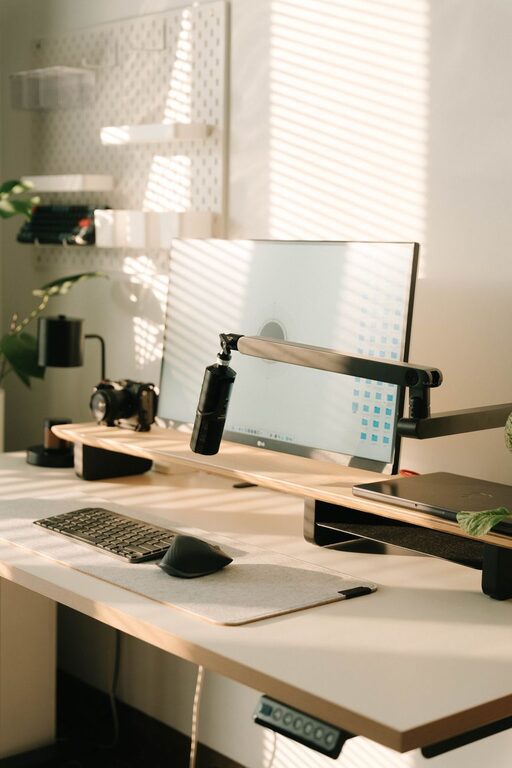

Creating a productive home office space is essential for anyone working remotely or running a business from home. A well-designed workspace can improve focus, increase efficiency, and even enhance your overall well-being. Whether you’re starting from scratch or optimizing an existing area, these tips will help you build an environment where you can thrive professionally.
Choose the Right Location
Consider Natural Light
Natural light can positively impact your mood and productivity. Try to set up your home office near a window to take advantage of sunlight throughout the day. If natural light is limited, invest in good quality artificial lighting that mimics daylight.
Minimize Distractions
Select a quiet spot away from high-traffic areas like the kitchen or living room. This helps reduce noise and interruptions, allowing you to maintain focus and complete tasks efficiently.
Invest in Ergonomic Furniture
Comfortable Chair
An ergonomic chair supports your lower back and promotes good posture during long working hours. Adjustable features such as seat height and armrests can enhance comfort even further.
Desk Setup
Choose a desk with enough surface area to hold your computer, monitor, and other work essentials. Standing desks or adjustable desks are a great way to alternate between sitting and standing, which may help prevent fatigue.
Organize Your Workspace
Declutter Regularly
A clean and tidy workspace reduces stress and distractions. Keep only necessary items on your desk, and establish a daily or weekly decluttering routine.
Smart Storage Solutions
Use shelves, drawers, and organizers to keep documents and supplies in order. Labeling storage containers can save time when searching for materials.
Optimize Technology and Tools
Reliable Internet Connection
A fast and stable internet connection is a must-have for remote work. Consider upgrading your router or internet plan if you experience frequent disruptions.
Quality Equipment
Invest in a good computer, headphones, and other tools suited to your work. Noise-canceling headphones can be helpful to block out background noise during calls or focused tasks.
Establish Boundaries and Routine
Set Work Hours
Create a clear schedule and stick to it. Defining your work hours helps maintain a healthy work-life balance, preventing burnout.
Communicate With Household Members
Inform others at home about your working hours and workspace boundaries. This reduces unexpected interruptions and respects your work time.
Personalize Your Space
Add Inspiring Elements
Incorporate items that motivate you, such as artwork, plants, or motivational quotes. Plants in particular can improve air quality and add a refreshing touch to the room.
Choose Calming Colors
Soft, neutral colors often foster focus and calmness. Avoid overly bright or distracting colors, especially on walls or work surfaces.
Maintain Healthy Habits
Take Regular Breaks
Use techniques like the Pomodoro method to break your workday into intervals with short breaks. This can improve productivity and reduce eye strain.
Stay Hydrated and Move
Keep a water bottle nearby and drink water often. Stand up, stretch, or take a short walk every hour to refresh your body and mind.
Final Thoughts
Designing a productive home office is about more than just aesthetics. It involves creating a functional, comfortable, and organized environment that supports your work habits and well-being. By carefully selecting your workspace, investing in the right furniture and technology, and establishing routines, you can transform your home office into a space that helps you do your best work every day.