
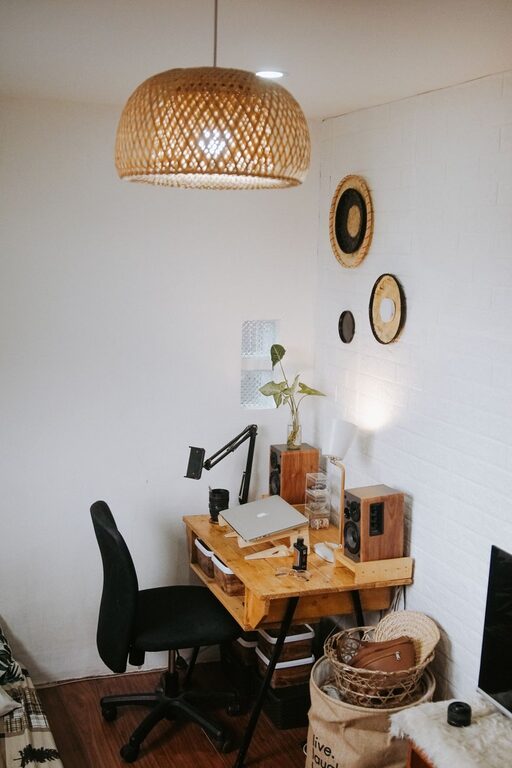
Creating a cozy and functional home office space is essential for anyone working remotely or spending significant time on personal projects. An inviting workspace can boost your productivity and make your workday more enjoyable. Here are some helpful tips to help you design a home office that combines comfort with efficiency.
Choose the Right Location
The first step in creating a great home office is finding the best spot in your home.
– Natural Light: If possible, pick a room or corner with plenty of natural light. Sunlight improves mood and reduces eye strain.
– Quiet Zone: Select a location away from noisy areas like the kitchen or living room to minimize distractions.
– Space Considerations: Make sure the space can fit your desk, chair, and any equipment without feeling cramped.
Invest in Comfortable Furniture
Comfort is key when you spend hours at your desk.
– Ergonomic Chair: Choose a chair with good lumbar support, adjustable height, and comfortable cushioning.
– Appropriate Desk: Find a desk that fits your work style. Standing desks or adjustable-height desks offer flexibility.
– Organization Solutions: Desks with built-in drawers or shelves help keep your workspace tidy.
Create a Pleasant Atmosphere
Adding a cozy touch can make your office space inviting.
– Soft Textiles: Add a rug, cushions, or a throw blanket to soften the space.
– Personal Touches: Display artwork, photos, or plants to add personality.
– Warm Lighting: Use desk lamps or floor lamps with warm bulbs instead of harsh overhead lights.
Organize for Efficiency
A clutter-free workspace reduces stress and saves time.
– Storage Containers: Use bins, shelves, or filing cabinets to store papers and supplies.
– Cable Management: Keep cords organized with clips, ties, or under-desk trays.
– Daily Cleanup: Spend a few minutes at the end of each day tidying up your desk.
Optimize Technology Setup
Your technology should support your work, not create problems.
– Reliable Internet: If possible, use a wired connection or position your router nearby for strong Wi-Fi.
– Multiple Screens: Consider dual monitors to improve multitasking.
– Noise-Canceling Headphones: Use them to block background noise during calls or deep work sessions.
Maintain Healthy Habits
Your workspace should encourage healthy behaviors.
– Proper Posture: Arrange your monitor at eye level and keep your feet flat on the floor.
– Regular Breaks: Use timers to remind yourself to stand, stretch, or walk around every hour.
– Hydration Station: Keep a water bottle at your desk to stay hydrated.
Personalize Within Limits
While personalization is great, a balanced approach works best.
– Avoid Excess Clutter: Limit decorations to a few meaningful items.
– Neutral Palette: Use light, neutral colors for a calm environment, adding colorful accents if desired.
– Seasonal Updates: Change elements like cushions or plants to keep the space fresh and inspiring.
Maximize Storage and Space
Even small areas can become efficient workspaces.
– Vertical Storage: Use wall shelves or pegboards to free up desk space.
– Multi-Purpose Furniture: Choose furniture that doubles as storage, such as ottomans with compartments.
– Foldable or Compact Furniture: For very small spaces, consider foldable desks or chairs.
Consider Acoustics
Sound quality matters, especially for video calls.
– Soft Materials: Rugs, curtains, and upholstered furniture can absorb sound.
– Sound Machines: Use white noise machines to reduce distractions.
– Room Layout: Position speakers and microphones to avoid echo.
Final Thoughts
Building a cozy and functional home office is about finding the right balance between comfort, practicality, and personal style. Whether you have a large dedicated room or a small nook, thoughtful choices can transform your workspace into a place where you feel motivated and comfortable every day. Start with these tips, and tailor them to fit your unique needs and preferences. Happy decorating!