
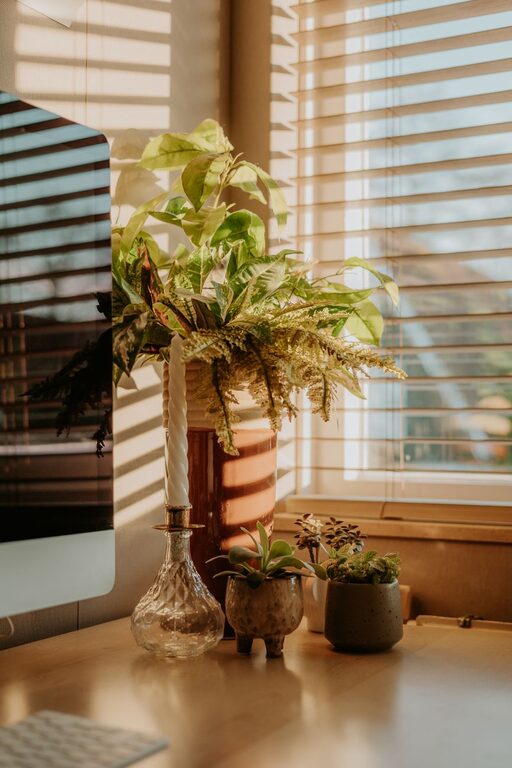
Creating a cozy and inviting home workspace is essential for anyone working remotely or spending significant time at home on projects. A well-designed workspace can improve focus, reduce stress, and make working from home a more enjoyable experience. Whether you have a dedicated room or just a small corner, these tips will help you transform your area into a comfortable and inspiring environment.
Choose the Right Location
The first step in creating a cozy workspace is selecting the best spot in your home. Ideally, this should be a quiet area with minimal distractions.
– Natural Light: Try to position your workspace near a window to benefit from natural sunlight, which can improve mood and energy.
– Privacy: If possible, choose a spot away from heavy traffic areas or communal spaces to minimize interruptions.
– Space: Make sure there is enough room for your desk, chair, and any equipment you need without feeling cramped.
Invest in Comfortable Furniture
Comfort is key when setting up your workspace. Sitting for long hours requires ergonomic furniture to prevent discomfort and health issues.
– Ergonomic Chair: Choose a chair with good lumbar support, adjustable height, and comfortable padding.
– Desk: Opt for a desk that suits your work style. Some prefer standing desks or adjustable desks for variety.
– Footrest: Adding a footrest can improve posture and comfort during long working sessions.
Personalize Your Space
Making the workspace feel inviting means adding personal touches that inspire and motivate you.
– Colors: Use colors that calm or energize you; soft blues and greens promote calm, while brighter colors like yellow can boost creativity.
– Decor: Add artwork, inspirational quotes, or photos that make you smile without crowding the area.
– Plants: Indoor plants add life, improve air quality, and create a more serene atmosphere.
Organize for Efficiency
Clutter can distract and stress you. Keeping your workspace organized helps you maintain focus and work efficiently.
– Storage Solutions: Use shelves, drawer organizers, and containers to keep supplies tidy and accessible.
– Desk Layout: Arrange your most-used items within easy reach to save time and reduce interruptions.
– Cable Management: Use clips or sleeves to manage cords and keep the area neat.
Optimize Lighting
Proper lighting reduces eye strain and helps keep you alert during work hours.
– Task Lighting: Use a desk lamp with adjustable brightness to focus on your work as needed.
– Ambient Lighting: Soft overhead lights or floor lamps can add warmth without harsh glare.
– Reduce Screen Glare: Position your computer to avoid reflection from windows or lights.
Create a Relaxing Atmosphere
Comfort is not just about furniture; how the space feels matters too.
– Soft Textiles: Add a cozy rug, cushions, or a throw blanket for warmth and softness.
– Scent: Consider subtle scents like lavender or eucalyptus to create a calming environment using candles or diffusers.
– Sound: Use noise-canceling headphones or play gentle background music to block distractions and maintain focus.
Establish Boundaries
Especially if your home workspace overlaps with living spaces, setting clear boundaries helps maintain balance.
– Dedicated Work Hours: Set specific work hours and communicate them with family or roommates.
– Physical Barriers: Use room dividers or screens to separate your workspace visually.
– End-of-Day Ritual: Create a routine to “close” your workspace at the end of the day and transition into personal time.
Keep It Flexible
Your needs may change, so design your workspace to adapt easily.
– Movable Furniture: Choose lightweight pieces that can be rearranged or stored.
– Multi-purpose Areas: If the space doubles as something else, use foldable desks or storage that hides work items.
– Regular Updates: Refresh the space periodically with new decor or different layouts to keep things feeling fresh.
—
Creating a cozy and inviting home workspace is all about comfort, functionality, and personalization. By thoughtfully choosing your space, investing in good furniture, organizing efficiently, and adding personal touches, you can build an environment that not only looks great but also supports your best work every day. Remember, small changes can make a big difference in how you feel about your workspace and your work itself.